

These programs allow perspective students to balance their education with career and family commitments. Notably, 69% of online learners and 76% of undergraduate learners are over the age of 25.


Designed to accommodate diverse schedules, these programs help learners develop important skills such as time management and self-discipline while managing their personal and professional responsibilities.


Courses

Receiving an education online offers a flexible, often more affordable, and increasingly recognized alternative to traditional in-person education, tailored for working professionals and non-traditional students.

Copyright © 2026 Rob Johnson All rights reserved

The African American Experience - Legacies of the Civil War

Key Aspects of the Experience and Legacy:

Active Participation: African Americans served as soldiers and sailors (approx. 180,000–200,000 in the Union Army/Navy), spies like Harriet Tubman, and laborers.

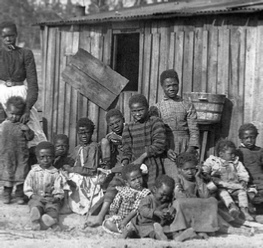
Freedom and Agency: Runaways flocked to Union lines (contraband camps). Post-war, they established communities, created independent churches, and sought education.

Reconstruction Gains: African American men secured voting rights and held political office for the first time, with 22 African Americans serving in Congress by 1870.

Reversal and Segregation: Following 1877, white supremacy returned in the South, creating "black codes" and systemic inequality.

Long-Term Legacies: The era birthed both modern civil rights organizations and enduring economic, social, and racial disparities, including the migration of many to the North for better opportunities.


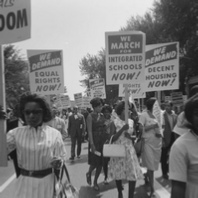
The African American experience during the Civil War shifted from enslaved bondage to active liberation, with nearly 4 million people gaining freedom via the 13th Amendment. Legacies included short-lived political gains during Reconstruction—marked by the 14th and 15th Amendments, black schools, and churches—followed by violent suppression through Jim Crow laws, racial terror, and economic disenfranchisement.

Dr. Johnson, whom is from Baton Rouge, Louisiana, is proud to teach this class about the lasting effects on this important era that marks a interesting viewpoint today (2026) in politics, music, sports and entertainment that fostered the civil rights movements.

Core Class

This course offers a detailed exploration of the complex history surrounding Southern slavery, positing that the U.S. South is among the most consequential "slave societies" in global history. It delves into the internal slave trade, which forcibly relocated hundreds of thousands of enslaved individuals from the Eastern seaboard to the expanding cotton-producing regions of the Southwest, particularly between 1820 and 1860. This demographic shift not only reshaped the economic landscape of the South but also solidified slavery's role as a foundational aspect of Southern society.


Furthermore, the course addresses contemporary issues that African Americans face, which are deeply rooted in systemic inequities. Topics such as economic disparity, healthcare inequalities, voter suppression, and discriminatory policies are examined in depth.


In the military context, Black servicemembers have historically been overrepresented in combat roles while facing underrepresentation in leadership and decision-making positions. Currently, Black Americans comprise just over 13% of the U.S. population, yet they constitute nearly 19% of active-duty Army personnel.


Current challenges for African Americans in the military include high participation rates, which come with complexities; surveys indicate that 56% of Black service members contemplate racial discrimination when considering career choices for themselves or their family members.